Between the proliferation of short formats on social media and the recycled rankings year after year, finding a true idea for a grand journey requires methodical sorting. What types of authentic adventure offer the best balance between local immersion, accessibility, and depth of experience? Comparing the available formats allows for concrete insights, far from generic destination lists.
Authentic Adventure Formats: Comparative Table by Level of Immersion
Not all travel formats produce the same degree of contact with local reality. The table below confronts five major categories based on measurable criteria: group size, typical duration, interaction with locals, and level of physical effort required.
| Adventure Format | Group Size | Typical Duration | Local Contact | Physical Effort |
|---|---|---|---|---|
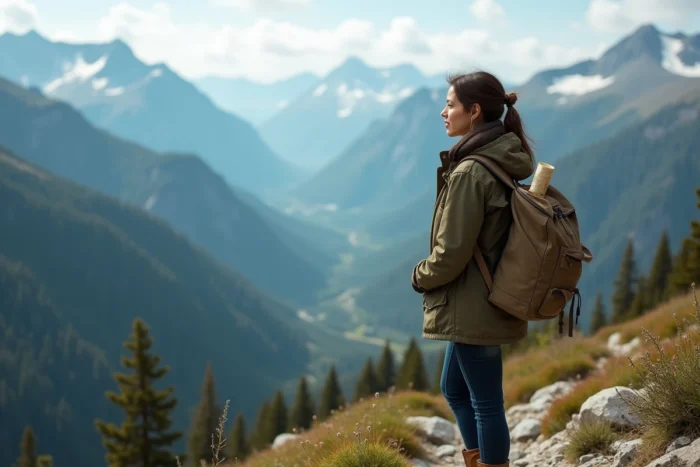
| Guided Trek (Highlands, Himalayas) | 6-12 people | 8-12 nights | High (local guides, homestays) | Challenging |
| Gentle Itinerary by Bike or on Foot | 2-6 people | 5-10 nights | High (stops in villages, spontaneous encounters) | Moderate |
| Immersive Small Group Tour (Tanzania, Japan) | 4-10 people | 10-15 nights | Medium to High (workshops, markets, homestays) | Low to Moderate |
| Café Tourism and Urban Workshops | 1-8 people | 2-4 nights | Medium (artisans, roasters, merchants) | Low |
| Nature and Wildlife Observation | 4-8 people | 5-8 nights | Variable (rangers, local biologists) | Low to Moderate |
The format that generates the most direct interactions remains the guided trek or gentle itinerary, where each step involves a meeting. Small group tours offer a compromise between comfort and authenticity, while urban workshops allow for concentrated immersion over a few days.
Several French-speaking tour operators specialize in these formats. By cross-referencing the offers available on the Vagabondes website with those from operators like Nomade Aventure or Grand Angle, it is clear that the trend is clearly towards smaller groups and stays structured around participatory activities.
Gentle Itinerary and Immersive Experiences: Why These Formats Are Growing
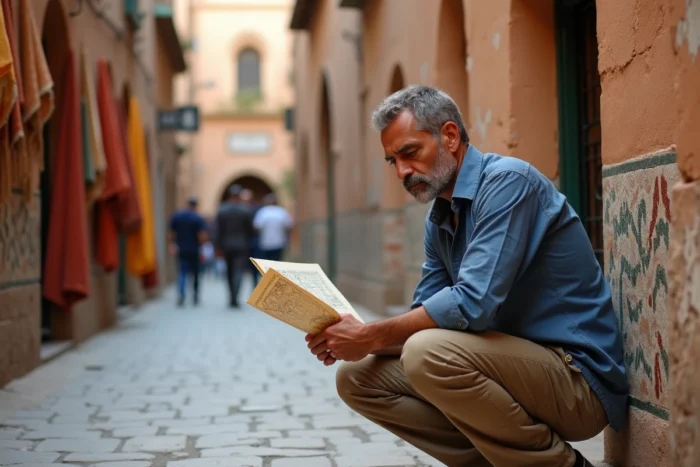
According to the 2026 barometer from GetYourGuide, travelers are increasingly seeking immersive and meaningful experiences. The report indicates a strong increase in cultural workshops, walking tours, bird watching, and café tourism. Morning experiences, designed to avoid crowds and feel more local, are also gaining ground.
This evolution is not limited to city breaks. The French Hiking Federation notes that gentle itineraries are gaining ground in France and Europe, driven by travelers who prefer a slow pace and close encounters. The principle: move on foot or by bike, sleep in local accommodations, eat with producers.
What These Formats Change in Trip Preparation
A ten-night trek in the Scottish Highlands or a guided tour in Japan is not planned like a beach holiday. The choice of format alters three concrete parameters:
- The physical condition required: a high-altitude trek requires prior training, while a café tour in Kyoto or Medellín only needs a good pair of shoes.
- The accommodation budget: gentle itineraries in guesthouses or homestays cost significantly less than a tour with hotels, but involve accepting variable comfort.
- The booking timeline: departures in small groups (fewer than eight people) fill up faster, sometimes several months before the date.
Anticipating these discrepancies avoids disappointments. A traveler attracted to authenticity but not physically prepared will find more satisfaction in an immersive tour than in a challenging trek.
Destinations 2026 for an Authentic Adventure Off the Beaten Path
Some destinations concentrate the favorable conditions for a deep adventure: low tourist traffic, preserved local fabric, reasonable accessibility from France.
Isle of Skye and Scottish Highlands
Grand Angle offers a guided hiking itinerary combining the Isle of Skye and the Highlands. The small group format with a local guide allows access to little-marked trails and family-run accommodations that classic tours overlook. The terrain, demanding without being technical, suits regular walkers.
Tanzania and Zanzibar on a Guided Tour
Nomade Aventure structures a Tanzania-Zanzibar tour around stops in local communities, with wildlife observation in parks where tourist density remains moderate outside the high season. The alternation between nature safari and coastal immersion gives the stay a variety that pure safaris do not offer.
Equator and Cloud Forest
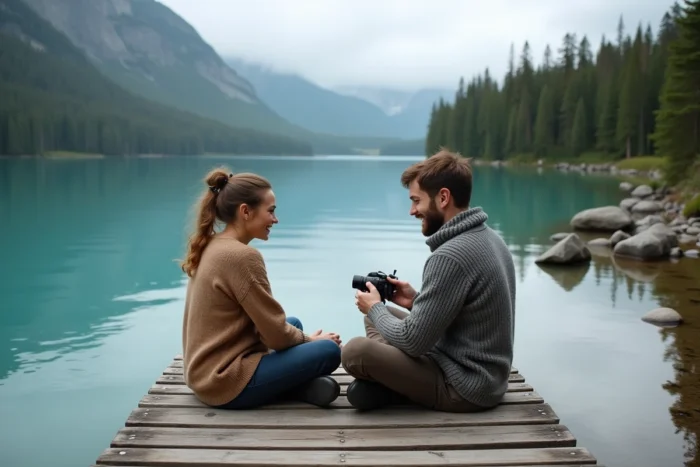
The Mashpi Lodge in Ecuador illustrates another type of adventure: a stay in the cloud forest with local biologists, observing endemic species and immersing in a fragile ecosystem. This type of destination attracts travelers seeking radical change without prolonged physical effort.
Authentic Stay and New Regulatory Constraints in France
Preparing a grand journey from France also involves considering the framework surrounding tourist accommodation. Starting in May 2026, new registration obligations for Airbnb-type rentals will come into effect across the country. This regulatory evolution alters the available offer, especially in tight areas where some atypical accommodations may disappear from the market.
For travelers who planned to combine an authentic stay in France (a stop before a grand departure or a trip in itself), this change may reduce the availability of homestays in major cities. On the other hand, rural gîtes and certified accommodations remain widely accessible and often better suited to a local immersion logic.
The global ecotourism market continues to grow, according to projections from Fortune Business Insights. This dynamic pushes operators to expand their range of small group trips focused on nature and encounters, broadening the choices for French-speaking travelers.
The most reliable criterion for distinguishing an authentic trip from a marketing product remains the group size and the level of interaction planned with locals. A stay with a maximum of eight people, supervised by a local guide, with at least one night in a homestay, produces an experience that large standardized tours do not replicate.