
A pet eats, sleeps, plays, and ages under your roof. Each of these everyday moments engages your responsibility for its health, comfort, and emotional balance. Taking care of your animals daily relies on a few concrete, often simple actions, but their absence can lead to lasting issues.
Animal Nutrition: Adapting the Bowl to Age and Species
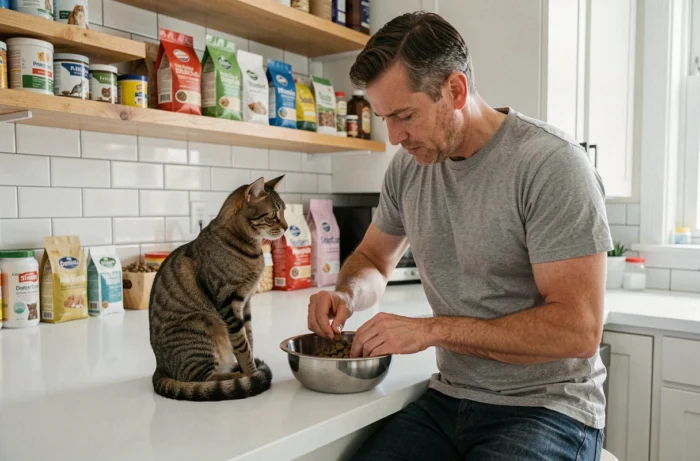
You may have noticed that your cat is turning its nose up at a kibble it devoured six months ago? An animal’s nutritional needs change with age, weight, and activity level. A growing puppy does not eat like a sedentary adult dog, and a neutered cat stores fat more easily than an intact cat.
The first reflex is to read the ingredients on the packaging before buying. A food whose first ingredient is a grain does not provide the same nutrients as a food where the animal protein comes first. For dogs, the daily ration depends on the expected adult size: large breeds grow more slowly and have a higher risk of joint issues if their energy intake is too rich too early.
A often overlooked point concerns water. A cat naturally drinks little, which promotes urinary problems. A water fountain or several drinking points spread throughout the home encourage better hydration. You can find detailed recommendations on care on Blog Animaux to adjust the diet according to your companion’s profile.
Health Warning Signs: What Your Animal Can’t Tell You
An animal instinctively hides its pain. This is a behavioral inheritance: in the wild, showing weakness exposes one to predators. As a result, when a cat starts sleeping more than usual or a dog suddenly refuses its walk, the problem may have been ongoing for several days.
Monitor Behavioral Changes
Here are the signals that warrant a quick veterinary consultation:
- Change in appetite or thirst: a dog that drinks significantly more than usual may show early signs of diabetes or kidney issues
- Change in the frequency or appearance of feces and urine, particularly the presence of blood or mucus
- Dull coat, patchy hair loss, or skin lacking elasticity when gently pinched between fingers
- Unusual lethargy, sudden aggression, or prolonged isolation in an otherwise sociable animal
A regular home examination complements veterinary follow-up. Checking the ears (odor, redness), eyes (discharge, cloudiness), teeth (tartar, red gums), and paw pads (cracks, foreign bodies) takes a few minutes and helps detect a problem before it worsens.
Veterinary Preventive Schedule
Vaccinations, parasite treatments, and deworming follow a schedule that your veterinarian tailors to your region and the animal’s lifestyle. An indoor cat does not have the same exposures as an outdoor cat. A missed vaccination reminder can leave your pet vulnerable to serious diseases like parvovirus in dogs or typhus in cats.
Mental Well-being of Dogs and Cats: Beyond the Bowl
Feeding and caring are not enough. A bored animal develops destructive behaviors, anxiety disorders, or stereotypies (compulsive licking, spinning). This phenomenon affects both dogs left alone for long hours and cats confined without stimulation.
For a dog, the daily walk serves two distinct functions: physical exercise and olfactory exploration. Sniffing is an intense mental activity for a dog, as tiring as a run. Varying routes, allowing free sniffing time, and offering search games (hidden treats, sniffing mats) fulfill a large part of its cognitive needs.
For a cat, the issue is territorial. It needs high areas, scratching posts, hiding spots, and short but regular play sessions. A simple turned cardboard box with a cut-out opening can keep it occupied longer than an expensive toy.

Animal Regulation in France: What Has Changed Recently
Since January 1, 2024, the sale of dogs and cats in pet shops is banned in France. Adoptions from shelters and purchases from registered breeders remain the legal avenues. This measure aims to reduce impulsive acquisitions, often followed by abandonment.
Furthermore, a commitment certificate must be signed at least seven days before the animal is handed over, including for donations between individuals. This reflection period requires the future owner to anticipate the constraints: veterinary budget, available space, time spent at home.
Anticipating Absences and Life Changes
Shelters are facing saturation, complicating care. Planning a reliable care solution before a move, trip, or family change prevents urgent situations. Networks of temporary foster families, professional pet sitters, or licensed boarding facilities exist in most departments.
- Identify at least two alternative care solutions before you need them
- Update the contact information linked to your pet’s microchip after each move
- An identified and vaccinated animal will be more easily accepted in boarding or foster care
Heat represents another underestimated risk. Older animals, those overweight, or those suffering from heart or respiratory problems are particularly vulnerable during heatwaves. Ensuring permanent shade, ventilation, and continuous access to fresh water remains essential. Recognizing signs of heat distress (excessive panting, very red gums, prostration) allows for action before heat stroke occurs.
Taking care of your animals daily is less about the quantity of actions than about their regularity. An appropriate bowl, attentive observation of behavioral changes, a few minutes of play, and up-to-date veterinary follow-up cover most needs. Consistency matters more than perfection.