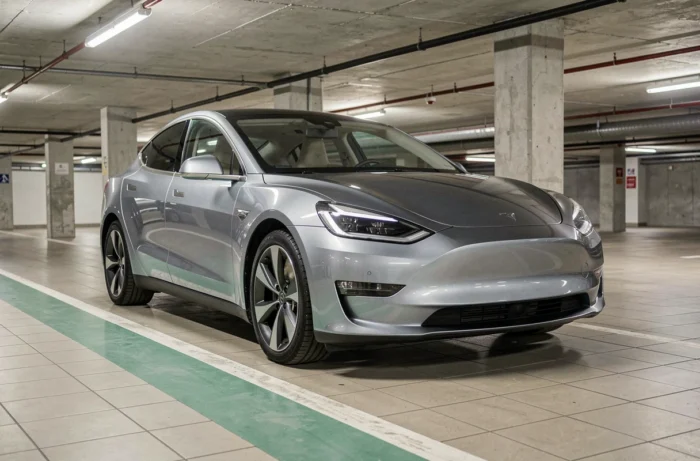
A traction battery in perfect condition, an impressive WLTP range, an attractive list price—and yet the vehicle sits at the repair shop for three weeks because an electronic module is out of stock.
This increasingly common scenario in the used electric car market is a reminder that reliability is about more than the number of breakdowns. You also need to consider what happens when something fails: how much it costs, how long you have to wait, and whether parts are available.
Out-of-warranty repair costs and wait times: the overlooked comparison criteria
Most rankings of reliable electric cars are based on breakdown frequency. ADAC counts roadside assistance callouts, TÜV records defects found during roadworthiness inspections, and the What Car? survey asks owners about the issues they have encountered. A model can top one ranking and score only average in another because each organization measures something different.
What these rankings almost never quantify is the actual cost of an out-of-warranty repair. Replacing an inverter or battery management module on some models can cost several thousand euros, not including the wait for parts. For a useful comparison, you can look at the highest-ranked electric cars for reliability, comparing several sources rather than relying on a single ranking.
Power electronics, ADAS sensors, and onboard control units are where price differences between brands are greatest. On a premium vehicle, a replacement part can cost twice as much as an equivalent part from a mainstream manufacturer, despite performing the same function.

12 V battery in an electric car: the most common cause of breakdowns
When people talk about electric car reliability, they naturally think of the traction battery. In practice, the reality is more mundane. According to the 2026 ADAC statistics, the 12 V battery remains the leading cause of callouts, across all powertrains. This small auxiliary battery powers the onboard electronics, locks, and starting system. When it fails, the vehicle simply won’t start.
The What Car? survey reports 12 V battery problems on some Hyundai Ioniq 5 and Kia EV6 models. Both vehicles nevertheless enjoy a good overall reputation. The issue doesn’t undermine their overall reliability, but it highlights a practical point: when buying used, checking the 12 V battery replacement history and looking out for electrical symptoms (clock resets, dashboard warnings) can help avoid an unpleasant surprise in the near future.
What to check before buying a used electric vehicle
- The age and condition of the 12 V battery, which is often overlooked during standard inspections. Preventive replacement costs little compared with a breakdown callout.
- Manufacturer recalls associated with the vehicle’s VIN. Some production batches are subject to targeted campaigns involving a specific component, rather than the entire model range.
- The traction battery health certificate (SOH), which indicates its remaining capacity. The higher the percentage, the more of its original capacity the battery retains.
Manufacturer recalls and production year: one model, two different realities
A model name alone isn’t enough to judge reliability. The production year and batch make all the difference. Some manufacturers have had to recall specific batches of electric vehicles for battery cell inspections, sometimes introducing temporary measures such as a charging limit.
This type of recall doesn’t mean the entire ID. range is unreliable. It means buyers must check the VIN before signing. Recall databases (the DGCCRF website and the European portal car-recalls.eu) can tell you whether a specific vehicle is affected.
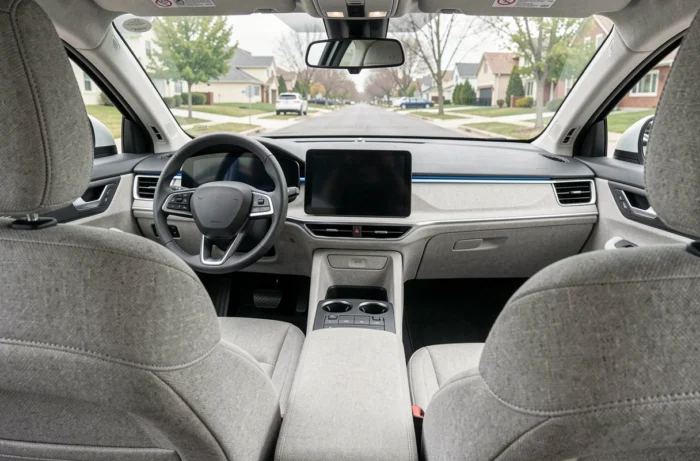
Tesla, Hyundai, Kia: reliability varies by model year
The Tesla Model 3 and Model Y regularly feature in reliability rankings, but real-world reports vary from one model year to another. Vehicles built during the first years of a factory’s operation (Shanghai, Berlin) sometimes show different levels of build quality from later production runs. The same applies to Hyundai: early Ioniq 5 batches received successive software updates that addressed fast-charging issues.
Reliability should be assessed model by model and year by year, not brand by brand. A 2023 Kia EV6 and a 2025 EV6 don’t necessarily share the same internal components, even if their specifications appear identical.
Reliable electric cars in 2026: models built to last
Rather than putting together yet another top 10 based on range or price, it’s worth looking at three types of vehicles that stand out when you compare sources (ADAC, TÜV, What Car?, and owner feedback).
- Compact cars with a simple architecture, such as the Nissan Leaf or Mini Electric, have a long track record. Their electronics are less complex, replacement parts are readily available, and out-of-warranty maintenance costs remain among the lowest in the segment.
- Korean sedans and SUVs (Hyundai Ioniq 5, Ioniq 6, Kia EV6) combine long warranties with generally positive feedback, provided you check the model year and 12 V battery.
- BMW models (particularly the i4) benefit from BMW’s maintenance network, which reduces repair wait times—a practical advantage once the warranty expires.
WLTP range and list price remain valid factors when choosing a car. But for a long-term purchase, comparing at least two reliability rankings and checking parts availability through the manufacturer’s local network can make a real difference. A model with a strong breakdown record but poor parts support can cost more to run than a slightly lower-rated competitor with better after-sales support.